general
Singapore Credit Card Annual Fees in 2026: 8 Banks' Waiver Policies and Cancellation Strategies Compared
A systematic breakdown of Singapore credit card annual fee policies across DBS, OCBC, UOB, Citibank, and more. Compare unconditional waivers, spending-based waivers, and rewards-point offsets. Includes step-by-step waiver request guides, banker scripts, and strategic rules to avoid paying unnecessary fees.
Holding a credit card in Singapore is almost a necessity for an urban professional aged 22 to 40, but paying the annual fee? That feels like an avoidable tax on loyalty. With most mainstream cards charging between S$192.60 and S$540 per year, having three or four cards can easily drain over S$1,500 annually from your budget before you even earn a single reward point.
The good news is that the annual fee game is surprisingly negotiable. A systematic look at Singapore’s major credit card annual fee policies reveals three dominant models: unconditional lifetime waivers for entry-level products, achievable spending thresholds for mass-market cards, and rewards-point redemption systems for premium tiers. The banks that matter most to the local professional—DBS, OCBC, UOB, and Citibank—each have written rules and unwritten practices. Understanding both is the skill that stops unnecessary charges from hitting your statement.
This guide breaks down the specific terms across these banks, compares the real cost of keeping or canceling cards, and provides the exact scripts and digital workflows for requesting a waiver. Here is how to navigate the system and systemically reduce your annual credit card costs.
The Three Annual Fee Models Every Cardholder Must Recognize
Before comparing banks, it is essential to categorize the fundamental structures that govern Singapore credit card annual fees. Almost every card in the market fits into one of these three models, and your strategy for each should be entirely different.
Unconditional lifetime fee waivers represent the simplest category. These cards advertise no annual fee for principal or supplementary cardholders, regardless of spending behavior. They are typically entry-level or mid-tier cashback cards where the bank bets on capturing your day-to-day spending rather than collecting a flat fee. The Citi Cash Back+ Mastercard, for instance, has a perpetual fee waiver on the principal card as long as you keep the account open. Similarly, the DBS Live Fresh Card offers a 0% annual fee structure permanently, with no minimum spend requirement. These cards form a useful backbone for anyone who wants a zero-cost credit line for recurring bills or occasional use, though their rewards rates are often slightly lower than the paid-tier alternatives.
Spending-based waiver conditions dominate the mass-market segment. Here, the bank charges a stated annual fee—often in the range of S$190 to S$260—but writes an explicit clause that waives it automatically if cardholders achieve a gross annual spending threshold. The most common thresholds cluster between S$10,000 and S$18,000 across Singapore’s top banks. For the DBS Altitude Visa Signature, the automatic waiver triggers at S$12,000 per membership year. The OCBC 365 Credit Card, a go-to for dining cashback, requires S$10,800 annually for an automatic waiver, breaking down to just S$900 monthly. Understanding these thresholds is critical for cardholders who concentrate spending on one or two primary cards; crossing the line by even a small amount ensures a waiver worth S$200, which on a S$12,000 spend represents an effective 1.67% bonus return on top of the card’s regular rewards.
Points or miles redemption waivers serve the premium and travel segment. Banks like Citibank and American Express allow cardholders to offset the annual fee by surrendering accumulated rewards points, miles, or ThankYou credits. The calculus here is nuanced: redeeming 27,500 Citi ThankYou points to waive a S$540 annual fee on the Citi PremierMiles card values those points at roughly 1.96 cents each, which is slightly below what the same points might be worth when transferred to an airline partner. For cardholders sitting on large point balances but with no immediate travel plans, points-based waivers can make sense as a way to preserve the card’s ongoing benefits—like airport lounge access or enhanced earn rates—without out-of-pocket cash.
DBS and POSB Annual Fee Policy: Structured Cancellation and Earned Waivers
DBS and POSB, which operate as a combined card portfolio for fee waiver purposes, manage annual fees with a high degree of automation but also a surprisingly responsive manual review system. The DBS Altitude Visa Signature levies an annual fee of S$194.40, with an automatic waiver triggered at S$12,000 in annual spending. The DBS Woman’s World Mastercard charges S$194.40 as well, but the spending threshold for automatic waiver is S$15,000. For the POSB Everyday Card, the annual fee is S$194.40 with a far more accessible S$7,200 minimum annual spend for waiver, which translates to S$600 monthly.

When a cardholder does not meet the automatic threshold, the fee posts to the statement and the process shifts to requesting a manual waiver. DBS provides a dedicated online fee waiver portal, accessible through digibank, that processes requests instantly. The system renders a binary decision—approved or rejected—within seconds. If rejected on the first attempt, cardholders should wait 48 hours and try the digital channel again, as some rejections are based on a temporary risk assessment that resets.
If a second attempt fails, cardholders need to pay the fee in full and then call the DBS customer service hotline at 1800 111 1111. The most effective script during that call is not emotional but factual: state the total annual spend on the card even if below the threshold, mention other DBS or POSB cards held, list any existing DBS products like a home loan or savings account, and ask specifically for a goodwill waiver review. It is also critical to verbally flag the intention to cancel the card if the fee is not waived, and to mean it. DBS tracks card-level profitability in real time, and a card with moderate spend but a long history is often flagged for retention intervention.
A specific nuance with DBS is the grace period for fee reversal after payment. If a cardholder pays the annual fee to avoid a late charge and then successfully negotiates a waiver within 30 days, DBS refunds the paid fee back to the card as a credit balance. Do not cancel the card before the refund posts.
OCBC and UOB Fee Policies: Automatic Thresholds with Clear Escalation Paths
OCBC structures its annual fee waivers around the OCBC 365 Credit Card and the OCBC FRANK Card as its core youth and young-professional products. The 365 Card carries an annual fee of S$194.40 with automatic waiver at S$10,800 annual spend. The FRANK Card, designed for a younger demographic, also charges S$194.40 but sets the automatic waiver at S$6,000 annually—a deliberately low bar that most working professionals clear without effort. For the premium OCBC Voyage Card, the fee jumps significantly to S$324 per year, and OCBC tends to enforce spend requirements more strictly on this tier.
OCBC’s digital waiver process operates through the OCBC app or Internet Banking, under “Card Services” and then “Waive Annual Fee.” The system checks eligibility in real time and confirms instantly. When a waiver is denied, OCBC typically provides a reason code—spend volume, account tenure, or recent payment history—which is useful intelligence for the retention call. The OCBC retention hotline is 6363 3333, and the most effective approach is to lead with a comparison to competing products. Mentioning that you are considering moving recurring monthly spend to a competitor’s card with a lower waiver threshold often triggers a one-time exception, particularly on the FRANK and 365 tiers.
UOB operates the UOB One Card, UOB Preferred Platinum Visa, and UOB PRVI Miles series with a clear automatic waiver system and a well-trained retention team. The UOB One Card charges S$194.40 annually and requires S$12,000 in annual spending for waiver. The UOB Preferred Platinum Visa also charges S$194.40, with an automatic waiver at S$12,000. UOB’s defining feature is its quarterly spending rebate structures, which tie cardholders into consistent monthly charges and make the annual fee comparison more complex. A UOB One Card with a S$2,000 monthly spending commitment generates S$1,200 in quarterly cashback over a year, making the S$194.40 annual fee a small fraction of the total return.
When requesting a UOB waiver through the TMRW app, the process mirrors DBS in speed and automation. The standout difference is on the phone. UOB’s retention agents have authority to offer a conditional waiver, such as a 50% fee reduction in exchange for agreeing to maintain the card for another year. Cardholders should always push for a full waiver before accepting any partial offer. State the total spend and mention any UOB savings or investment products, which UOB’s system scores positively for retention purposes.
Citibank and American Express: Retention Strategies on a Per-Call Basis
Citibank Singapore offers the Citi Cash Back+ Mastercard with a permanent unconditional waiver on the principal card, making it one of the few no-strings-attached options for earning 1.6% cashback on all local spend. The Citi PremierMiles and Citi Rewards cards, however, charge S$194.40 annually, and Citibank’s system requires deliberate, specific script choices to get the fee waived.
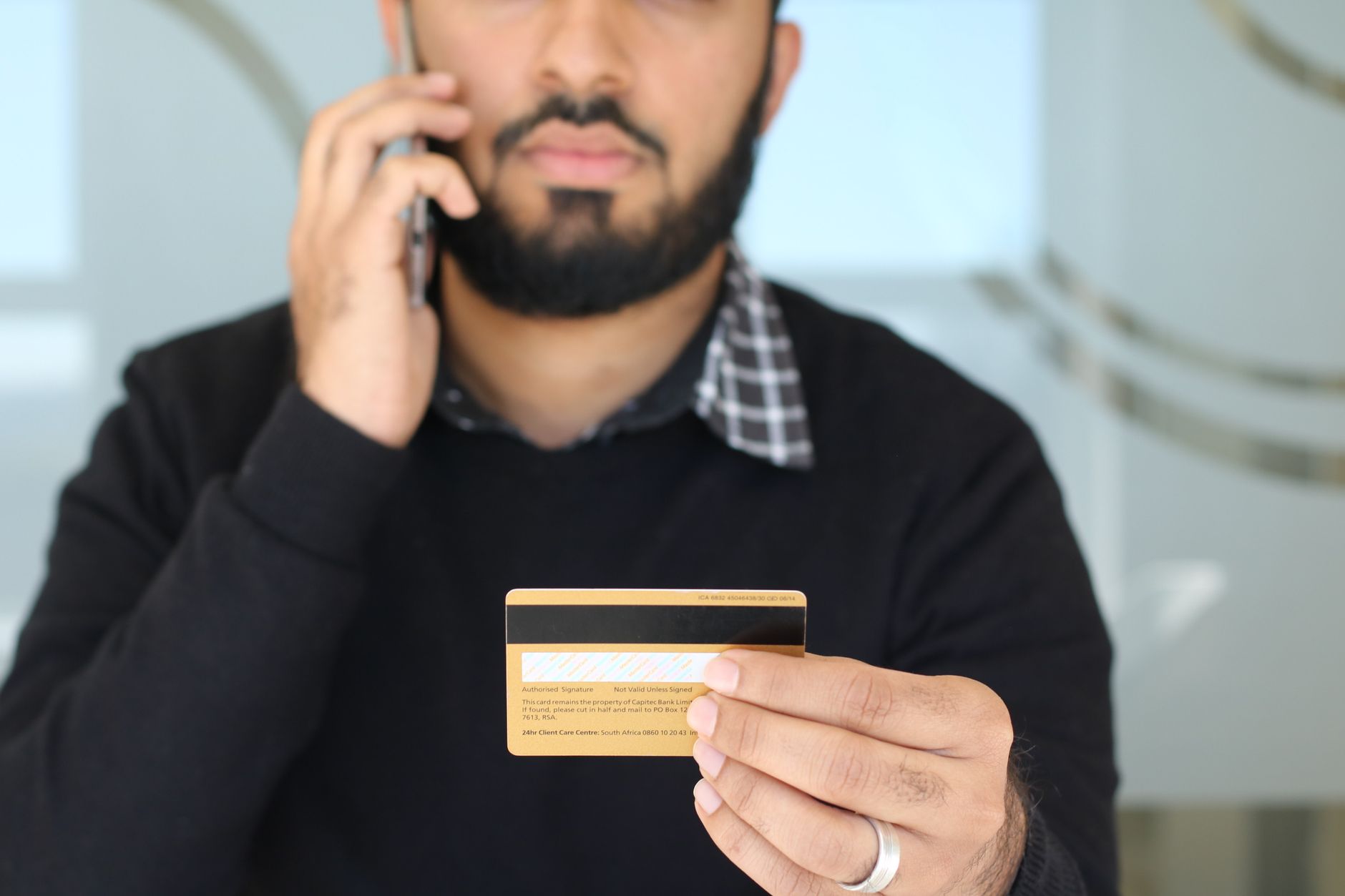
Citibank’s automated phone channel at +65 6225 5225 handles waiver requests by taking cardholders through a brief IVR prompt before routing to an agent. The key metric for Citi agents is the card’s net spend over the preceding 12 months. A PremierMiles card with S$15,000 in annual spend almost always receives a full waiver. At S$8,000, the waiver becomes less certain, but pointing out the card’s supplementary cardholder arrangement and any upcoming large purchases is effective. The most critical error to avoid with Citi is paying the annual fee without first requesting a waiver. Citi’s system does not consistently reverse paid fees after the fact unless the cardholder explicitly flags the dispute before payment.
American Express in Singapore operates a slightly different model with its Singapore Airlines co-branded cards, the KrisFlyer Ascend and the Platinum series. The annual fees on these products are substantially higher—S$337.05 for the KrisFlyer Ascend—and the waiver is not guaranteed. For the Ascend card, Amex often presents a choice: pay the fee and receive a complimentary hotel night voucher worth more than the fee itself, or cancel the card. For the Platinum Credit Card at S$321, the waiver decision depends almost entirely on annual charge volume and whether the cardholder uses supplementary cards. Amex retention agents can also offer a reduced fee rather than a full waiver, and cardholders should weigh the value of the card’s specific benefits—airport lounge access, rebates on specific merchants—against the reduced charge before deciding.
The Waiver Request Flow: Digital Steps and Exact Phone Scripts
A structured approach to requesting an annual fee waiver avoids wasted time and increases the probability of a full reversal. The process spans three distinct stages.
Stage one: Digital self-service waiver. Log into the bank’s mobile app or internet banking portal before the payment due date. Most banks present a “Request Fee Waiver” option under card services that returns a decision instantly. DBS digibank, OCBC Internet Banking, and the UOB TMRW app all support this. A digital approval ends the process immediately. A rejection leads to stage two.
Stage two: Timed callback. Wait 48 hours and attempt the digital channel again. If the result is still a rejection, call the bank’s dedicated credit card line between 9:00 and 11:00 a.m. on a Tuesday or Wednesday, when call volumes are lowest. State the following script exactly, pausing after each segment:
“I am requesting a goodwill annual fee waiver for my [Card Name], ending in [Last 4 Digits]. My total annual spend on this card was S[X]. I also hold a [Other Product] with [Bank], and my payment history across all accounts is clean. I would prefer to retain this card, so I am asking for a review of the fee before I consider switching my recurring charges to another bank’s product.”
The power in this script lies in the three specific data points: exact spend, cross-product relationship, and the deliberate mention of canceling as a logical next step rather than a threat. Banking agents work from call scripts that score these retention cues in real time.
Stage three: Genuine cancellation decision. If the agent cannot or will not waive the fee after a clear statement of spend and relationship, the card must be canceled. Do not carry a card that cannot self-justify its annual cost through rewards net of the fee. Before canceling, redeem all outstanding rewards points or cashback, as these typically expire immediately upon account closure. Transfer any remaining monthly bill arrangements to another active card. After the agent processes the cancellation, request a written confirmation email, and check the next month’s statement for any residual fees. An annual fee posted after cancellation is always reversible within 30 days.
Beyond Waivers: Strategic Card Churn and No-Fee Portfolios
For the urban professional managing three to five cards, systematic churn is a more advanced tactic that eliminates the annual fee negotiation entirely. The cycle works as follows: identify a new-to-market card with a sign-on bonus worth at least S$300 in cash or miles, apply, meet the minimum spend requirement using the exact bills and transactions that already exist, claim the bonus, and then cancel the card within 11 months—before the first annual fee posts. This yields a net positive return with zero fee exposure.
Building a bulletproof portfolio of no-fee cards provides another permanent solution. The Citi Cash Back+ Mastercard gives 1.6% cashback with no annual fee, the DBS Live Fresh Card offers 5% cashback on contactless payments with zero annual fee, and the Trust Cashback Credit Card pays 1.5% unlimited cashback with no annual or foreign transaction fees. A three-card no-fee setup captures most spending categories and removes the waiver negotiation from the annual to-do list entirely.
The discipline is not in getting every fee waived; it is in holding only cards that earn more than their annual cost and cutting the rest without hesitation.
Frequently Asked Questions
What happens if I miss the payment due date for the annual fee? If the annual fee remains unpaid past the due date, the bank charges a late payment fee (typically S$80 to S$100) and reports the delinquency to the credit bureau, which impacts your credit score for future loan applications. Request the waiver before or immediately after the fee posts to avoid this situation entirely.
Can I get an annual fee refund after I have already paid it? Most Singapore banks process a refund if the waiver is approved within 30 days of the fee posting. The refund appears as a credit balance on the card. Do not cancel the card until the refund is confirmed, as a closed account complicates the reversal.
Do supplementary cardholders pay annual fees separately? Yes, but supplementary card annual fees are typically much lower—often S$50 to S$100—and are waived under the same digital request system as the principal card fee. Always request the waiver for both principal and supplementary fees in the same call or app session.
Will canceling a credit card hurt my credit score in Singapore? Canceling one card while maintaining others with positive payment history generally has minimal impact on your credit score. The larger risk is canceling your oldest card, which shortens your average credit age. If your oldest card charges an annual fee, negotiate or churn instead of canceling.
How do I find out the exact spending threshold for my card’s waiver? Log into your bank’s mobile app and navigate to the card details section, where most banks now publish the annual fee and waiver conditions explicitly. Alternatively, call the bank’s credit card hotline and ask for the “automatic annual fee waiver spending requirement” for your specific card variant.
A Systematic Review of Singapore Annual Fee Practices
A systemized review of Singapore’s mainstream credit card annual fee policies reveals that the fee is not a fixed cost but a negotiable line item that rewards informed, deliberate cardholders. The mass-market banks—DBS, OCBC, UOB—have built digital waiver pipelines that approve most requests instantly when basic spend thresholds are satisfied. Citibank and American Express require a more deliberate retention approach but still offer clear paths to waiver for active users.
The effective strategy for any Singapore professional is to audit cards annually, request waivers digitally on the first pass, use a factual script on the second pass, and cancel without sentiment on the third. A portfolio that mixes one permanently waived cashback card with one or two spending-concentrated rewards cards keeps annual fee exposure low while preserving upside earnings.
Paying a credit card annual fee without first negotiating is simply subsidizing the bank’s marketing budget. With the processes and scripts in this guide, that subsidy line on the personal financial statement should read zero.
NEXT STEP
Turn this guide into your next decision
If you are comparing cards, fees, rewards or next steps, open the assistant and turn this article into a practical shortlist.